
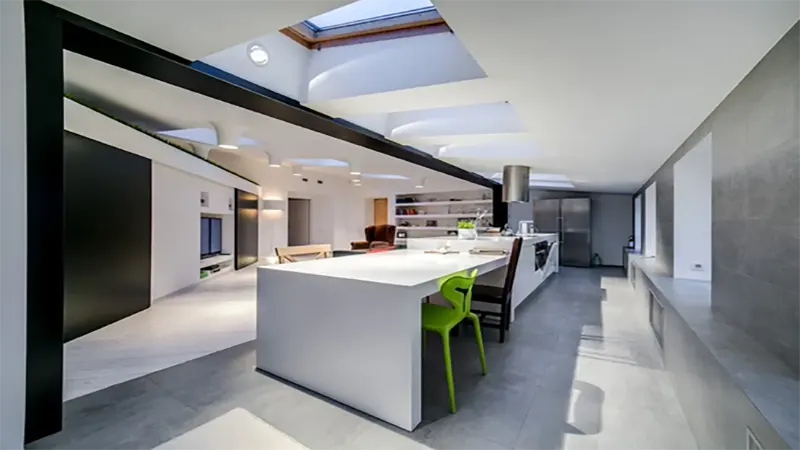
Empty rooms fool the eye. They look huge, then a sofa arrives and everything shrinks. That is why spatial planning deserves attention before the first purchase. Buyers eyeing Solano Grand, like buyers anywhere, end up happier when the plan comes first and the cushions come later.
Interior ideas do not need a big budget or a design degree. They need a bit of order. This article covers zoning, colour, furniture size, lighting, storage, and style. Pick what suits your habits, ignore the rest, and treat every tip as a starting point you can bend. Small tweaks win.
Zoning Your Space With Purpose
Zoning means giving each area one clear job. A corner for reading, a stretch for dining, a patch for play. Rugs help, so do shelves and changes in floor colour. Walls are not needed. Even in a compact home, a soft boundary tells your brain where to switch modes.
Start with how you use a room, not what it is called. Anyone studying plans for Wynwood Grand might spot a dining space that never seats guests. Turn it into a study, a craft table, or a play area. Rooms belong to the people living in them.
Colour Palettes That Calm Rooms
Light colours bounce light and make rooms feel wider. Whites, creams, and pale greys are safe picks. Warm tones like sand and soft clay add comfort without shouting. Try painting a small sample patch and look at it morning, noon, and night. Colour changes more than you expect.
Keep a simple rule. Three main colours, no more. One for walls, one for big furniture, one for small touches. Repeat them in different rooms so the home feels connected. A single bold cushion or rug then looks planned, not random. Restraint is underrated. Sorry, the neon sofa may need to wait.
Furniture Scale and Proportion
Size is the quiet killer. A huge sofa in a modest room eats the floor. Measure the space, then measure the furniture twice. Leave a clear walking path, around ninety centimetres wide, between big pieces. If two people cannot pass without turning sideways, something needs to go.
Raised legs let the eye see the floor beneath, so a room feels larger. Round tables soften tight corners. Multi use pieces, like a bench with storage or a nesting side table, give more for less. Test pieces in the shop and sit on them. Think about a normal Tuesday, not a party.
Lighting in Layers, Not Lumps
One ceiling light is a flat answer. Good rooms use layers. General light for walking around, task light for reading and cooking, and soft light for mood. Warm bulbs feel cosy in living areas, while cooler white suits kitchens and study corners. Dimmers cost little and change a lot.
Daylight is the best lamp. Mirrors opposite windows push brightness deeper into the room. A tired corner often just needs a lamp and a plant.
Storage That Hides the Clutter
Clutter shrinks a home faster than any wall. Look up. Tall cabinets, high shelves, and overhead boxes use space most people ignore. Under beds, drawers or flat boxes swallow spare linen and seasonal things. Built in carpentry costs more at first, but it fits odd corners that loose furniture cannot.
Give every item a home near where it is used. Shoes by the door, keys on a hook, chargers in one basket. Open shelves look pretty, though they need tidy habits. Closed cabinets forgive messy people. Be honest about which type you are before choosing.
Style Concepts Worth Trying
Japandi blends Japanese calm with Nordic warmth, using pale wood, clean lines, and few objects. Modern minimal goes for crisp shapes and neutral shades. Warm industrial mixes metal with timber for a lived in feel. Each style has a mood. Choose the one that matches how you want to feel when you open the door.
Mix styles gently if you like. Keep one lead style and borrow a few touches from another. Repeated colours or materials reveal your real taste, which is often different from what you assumed.
Conclusion
Spatial planning is mostly common sense wearing a nicer jacket. Give rooms clear jobs, choose calm colours, size furniture to the floor, layer the light, and hide the mess. None of this needs perfection. A home that works today and bends tomorrow beats a showroom nobody can relax in.
Start small. Change one corner this month, watch how it feels, then move on to the next. Homes grow with their owners, slowly and a bit unevenly, and that is part of the charm. Trust your own taste, keep the walkways clear, and enjoy the place you worked to get.

