
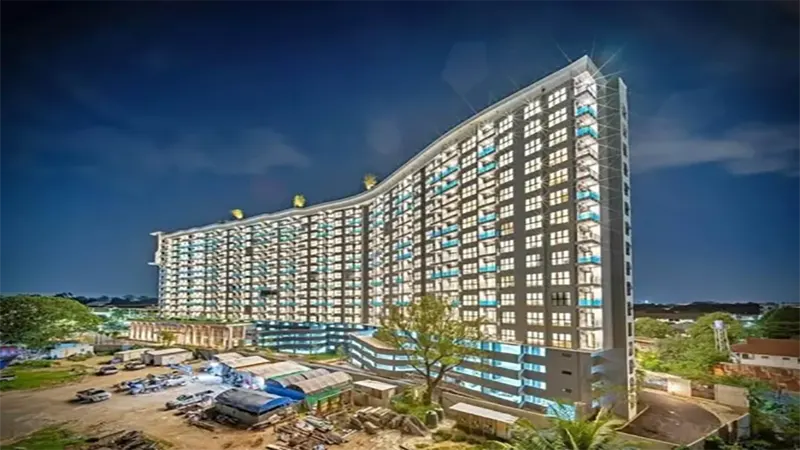
Count the neighbors at the lift lobby. That tells you a lot. At Langdon Heights, buyers weigh a smaller community against the big, busy estates down the road. Both styles have loyal fans. Each also hides trade-offs that brochures skip.
Size shapes daily life more than most people expect. It changes your fees, your quiet, and how fast a broken pump gets fixed. This guide compares boutique projects with mega condos on upkeep and privacy, so your choice rests on facts, not first impressions.
What Counts as Boutique or Mega
There is no official line. Most people call a project boutique when it has one or two blocks and under a couple hundred homes. Mega condos run into the thousands, with several towers, shops, and sometimes their own small crowd of food stalls.
Why does that matter? Because everything else follows. Fees, facilities, noise, and even how well you know the security guard all grow or shrink with scale. A small block feels like a street. A huge one feels like a town, with all the good and bad that brings.
Monthly Fees and Shared Costs
Mega condos spread costs across many owners. That can keep the per unit bill lower, especially for lifts, security, and landscaping. Big projects also gain buying power when they hire contractors, which helps their budgets stretch.
Boutique projects have fewer owners to share the load. Fees per unit may look higher, yet you also pay for fewer things. No giant pool, no ten tennis courts. Buyers eyeing Chencharu Central Residences should ask for the fee breakdown, because a short facility list can offset a higher number.
Repairs, Upkeep, and Response Time
Small projects often fix things fast. A leaking pipe gets noticed because the committee knows every corridor. Decisions need fewer votes, so a repaint or a lift repair can start sooner. It feels personal, like a family home with a roster.
Big estates run on systems and staff. That brings professionalism, though also queues. A simple request may pass through a helpdesk, a supervisor, and a contractor. On the plus side, a large team can handle emergencies at any hour, and that is hard for a tiny project to match.
Privacy in Corridors and Lifts
Fewer homes per floor usually means fewer faces in the hallway. Boutique blocks often give you a private lift lobby or a short corridor. You greet two neighbors, not twenty. That quiet is a real selling point for people who value their space.
Mega condos mix many people at all hours. Lifts fill up, pools get crowded, and visitor traffic is constant. Still, anonymity has an upside. In a huge crowd, nobody watches you. Some residents prefer to blend in rather than be known by everyone on the floor.
Facilities, Crowds, and Noise Levels
Big projects offer gyms, function rooms, and play areas galore. The catch is sharing them with hundreds of households. Weekend barbecue pits book out fast. Pool noise carries, and a late party near your bedroom wall can ruin a Sunday.
Boutique sites have fewer toys, but they are easier to use. You can swim without a queue and chat in a quiet garden. Ask yourself how often you would use a tennis court. Most people overestimate, and then pay fees for it every month.
Long-Term Value and Resale Appeal
Mega condos tend to attract steady demand because buyers recognize them. Lots of units also give you plenty of price comparisons, which makes selling feel easier. Renters like the amenities, so vacancies often fill quickly.
Boutique homes can be harder to compare, yet they appeal to buyers who want calm and exclusivity. Scarcity helps. A buyer at Langdon Heights, for instance, may find fewer rival listings when it is time to sell. Do check how well the building has been kept, because a tired small block can lose appeal fast.
Conclusion
Boutique living offers quiet, quick repairs, and a close community. Mega condos bring lower shared costs, strong facilities, and easy anonymity. Neither wins on every point, so match the choice to how you actually live, not how you wish you lived.
Visit both on a weekday evening and a Sunday afternoon. Ask residents about fees, repairs, and noise. Read the sinking fund and recent minutes if you can. What you learn in an hour on site beats any glossy leaflet.

