
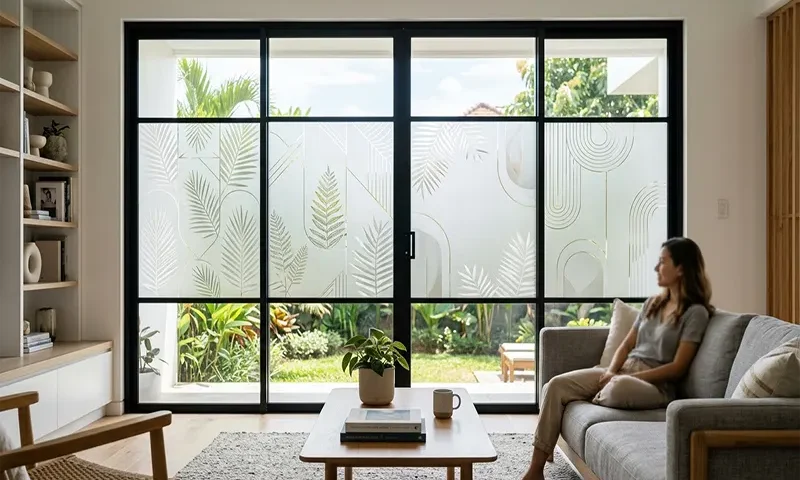
In the architectural landscape of 2026, the demand for “Light-Filled Privacy” has transformed the humble window film from a utilitarian afterthought into a high-end design element. As urban density increases, homeowners are moving away from heavy, dust-collecting curtains and bulky blinds in favor of streamlined, modern frosted window designs. High-quality decorative privacy films allow for 24/7 seclusion while maintaining the flow of natural light, effectively turning every window into a functional piece of art.
The Evolution of the “Frosted” Look
Modern window film technology has evolved far beyond the opaque, “cloudy plastic” sheets of previous decades. Today’s films are engineered to mimic the sophisticated look of professionally sandblasted or etched glass at a fraction of the cost. Beyond aesthetics, these films serve as a protective barrier, blocking up to 99% of harmful UV rays to prevent the fading of expensive furniture and flooring while significantly reducing screen glare in digital workspaces.
Types of Film Technology
Understanding the underlying technology is essential for choosing the right solution for your home:
- Static Cling: This adhesive-free film uses atmospheric pressure to “stick” to the glass. It is the preferred choice for renters or those who like to change their decor frequently, as it can be removed and reused without leaving a sticky residue.
- Adhesive-Backed: These films use a specialized, high-clarity glue for a more permanent bond. They are generally more durable and better suited for high-traffic areas or large panes where a secure “lock” is required.
- Translucency Levels: When selecting a design, you must choose between “Total Privacy” (where only light passes through) and “Decorative/Obscured” (where shapes and silhouettes remain partially visible).
Modern Design Trends for 2026
The current design year is defined by four major trends that blend architectural structure with organic elements:
1. Biophilic Etching
Bringing the outdoors in, biophilic designs feature delicate leaf silhouettes, botanical prints, and organic textures. These patterns interact with sunlight to cast soft, nature-inspired shadows across your interior, creating a “living” wall effect.
2. Geometric Minimalism
Drawing inspiration from mid-century modern and Scandinavian styles, geometric films use thin lines, grids, and repetitive shapes. These designs complement modern window frames by emphasizing the clean, structural lines of the house.
3. Gradient (Ombré) Effects
Perhaps the most popular trend for street-level windows, gradient films are fully opaque at the bottom—blocking the view from passersby—and fade to perfectly clear at the top. This allows for maximum sky views and natural light while protecting the lower “living zone” of the room.
4. Textured Finishes
Textured films, such as those mimicking linen, rice paper, or sandblasted glass, add a tactile dimension to the window. They provide excellent privacy while breaking up the “flatness” of large glass surfaces.
Application by Room
- The Spa-Like Bathroom: High-humidity environments require durable films with total privacy. Frosted linen or heavy sandblasted textures are ideal here, providing seclusion without blocking the bright, airy feel essential for a bathroom.
- The Modern Entryway: The front door is a home’s first impression. Geometric patterns or custom-cut address films provide security by obscuring the view of the interior while maintaining an inviting, high-design look.
- The Home Office: To reduce eye strain and screen glare, select a film with higher opacity levels. A subtle geometric grid can provide a sense of “enclosure” for deep work while still letting in the daylight needed for productivity.
Technical Installation: The “Wet Method”
Achieving a professional, bubble-free finish requires patience and the “Wet Method” of application.
Pro-Tip: Measuring and Trimming
Always cut your film slightly larger (about 1 inch) than the window pane. Once the film is applied, use a fresh, sharp precision knife to trim the excess against the frame for a perfect, edge-to-edge fit.
- Preparation: Clean the glass meticulously; even a tiny dust spec will create a visible bubble.
- The Slip Solution: Fill a spray bottle with water and a few drops of baby shampoo (the “slip solution”).
- Application: Spray both the glass and the adhesive side of the film liberally. This allows you to slide the film into the perfect position.
- The Squeegee: Starting from the center, use a squegee to push the water and air bubbles out toward the edges.
- Trimming: Once the film is flat, trim the edges and give it one final squeegee to seal the perimeter.
Comparison: Privacy Solutions
| Feature | Frosted Window Film | Real Sandblasted Glass | Smart Glass |
| Cost | Low (DIY-Friendly) | High | Extremely High |
| Permanence | Temporary/Removable | Permanent | Permanent |
| Maintenance | Wipe with damp cloth | Can be prone to fingerprints | Electrical maintenance |
| UV Protection | 99% | Variable | High |
Pattern Selection Checklist
Before purchasing, ensure your design meets these three criteria:
- [ ] Scale: Does the pattern size match the window size? (Small patterns can look “busy” on large floor-to-ceiling windows).
- [ ] Light Transmission: Does the film allow enough light for the room’s purpose?.
- [ ] Style Match: Does the design (e.g., Biophilic vs. Geometric) complement your existing furniture and frames?.
Decorative privacy film is the “secret weapon” of the modern interior designer. It offers a sophisticated, cost-effective, and reversible way to solve the age-old conflict between privacy and natural light. Whether you choose a nature-inspired biophilic print or a minimalist ombré gradient, these films provide a custom, architectural look that elevates the modern home into a private sanctuary.

